
Compliance Coffee Talk · October 2026
What makes a broker relationship work
Megan Damato, risk manager for the Town of Greenwich, and her Gallagher broker Ronni Rausch on working together all year, running renewals with no surprises, and setting contract requirements that fit the job.
Guest experts

Megan Damato
Director of Risk Management, Town of Greenwich, Connecticut
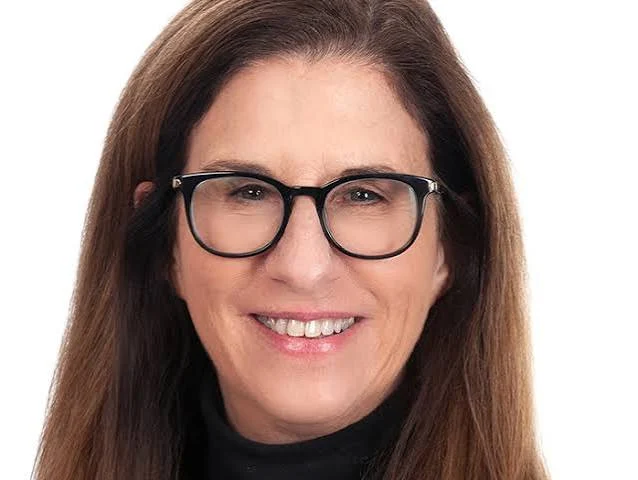
Ronni Rausch
Insurance Broker, Gallagher
The session
A risk manager and the broker she talks to almost every day
Megan Damato has been Director of Risk Management for the Town of Greenwich, Connecticut, and Greenwich Public Schools for ten years, after working in private practice as an attorney. Ronni Rausch has been an insurance broker at Gallagher for 23 years, and was a risk management consultant before that. Most of her clients are public entities and nonprofits.
Megan brought Gallagher on through a broker RFP, and the two now work together year-round. On October 27, 2026 they joined us for the first session of our three-part Coffee Talk series on brokers, carriers and risk registers, and talked through what makes the broker relationship work.
Watch the conversation, or read the takeaways below.
Key takeaways
14 takeaways from the session
Megan and Ronni's advice in four themes, from working together between renewals to getting more from your broker's services.
01–03
Work together all year
A good broker relationship runs on regular contact, not one meeting at renewal.
- 01
Get out of your office
In more than 30 years in the field, Ronni has watched the risk manager role change. The strongest risk managers now visit every department to learn their concerns, which gives them a fuller view of the risks the entity takes on.
The takeaway: Visit departments regularly so you know where your risks are before your broker asks.
- 02
Set an agenda at the start of each year
Ronni writes down a plan with each client every year: which loss control or cyber services to use, whether to run a tabletop exercise, and when to review claims so none fall through the cracks. "If something's memorialized, I don't lose track of it."
The takeaway: Agree a written annual agenda with your broker and work through it.
- 03
Keep a standing meeting
Megan and Ronni meet every two weeks, weekly as renewal gets close, and skip a meeting when there's little to cover. Between meetings they handle questions as they come up, such as whether the contractor or the town should carry builder's risk on a project.
The takeaway: Put a recurring broker meeting on the calendar and use it.
“You can't show up just at renewal. Helping someone with their risk and insurance program is more than just getting competitive premiums at renewal.”
Ronni RauschInsurance Broker, Gallagher04–08
Run renewals with no surprises
Start early, share what you've done, and know your numbers well before the renewal date.
- 04
Start three to four months out
Depending on the account's size, Ronni starts a renewal three to four months ahead. She explains what the market is doing and sends what needs updating early. About two months out she gets indications by line from underwriters and sets the strategy, including whether to market the account.
The takeaway: Ask your broker for a renewal timeline three to four months before your renewal date.
- 05
Know your worst case a month ahead
Ronni calls it her no surprise philosophy. About a month before renewal you should know your worst-case number, with updates along the way, such as "we estimated the market at 10%, your carrier is coming in at 12%."
The takeaway: Expect regular pricing updates so your budget is never caught off guard.
- 06
Tell underwriters what you've done
Many entities do loss control work they never mention, like defensive driving training or water sensors in their buildings. It's the broker's job to bring that to the underwriter, and it only works if the broker knows about it.
The takeaway: Send your broker a list of safety and loss control improvements before each renewal.
- 07
Meet your underwriters
Ronni has introduced Megan to underwriters at PRIMA events and in virtual meetings. Underwriting is subjective, and two underwriters at the same carrier can give very different quotes. Ronni is certain a good meeting helps, though she says you can't prove it.
The takeaway: Ask your broker to introduce you to your underwriters.
- 08
On your first renewal, learn the organization
Megan's first renewal came in a hard market. Her advice is to learn your organization, visit departments and properties, and point out safety programs and cyber measures, relying on IT for the technical side. In a large organization, start with the highest-risk sites.
The takeaway: Before your first renewal, see your properties and know your safety programs.
09–11
Fit contract requirements to the job
Standard requirements are a starting point, and each agreement needs its own review.
- 09
No boilerplate fits every agreement
A big construction project might call for $25 million in umbrella coverage. Someone teaching yoga at a senior center won't carry that. Megan adds that her standard requirements don't fit most of what the town does, and some contracts need professional, builder's risk, cyber or crime coverage. Some organizations still don't ask for cyber.
The takeaway: Review insurance requirements before each bid goes out, and match them to the risk.
- 10
Update contract language as risks change
Ronni suggests reviewing contract wording within about a five-year period, and says it's a fair question for your broker, who reads contracts every day. Megan recently worked with her legal team on high-level AI language that defines AI and requires vendors to follow federal, state and local law.
The takeaway: Review your contract language every few years and add provisions as new risks appear.
- 11
Decide small-vendor exceptions case by case
Public entities are encouraged to use small businesses, and a low-risk job like an artist paid $100 may get an accommodation. When vendors say coverage is too expensive, Ronni asks what expensive means. Some exposures are too high regardless of the contract amount.
The takeaway: Weigh each exception against your risk appetite and the exposure, not the contract amount.
“No matter what the contract amount is, there are just some that are too high exposure.”
Megan DamatoDirector of Risk Management, Town of Greenwich, Connecticut12–14
Get more from your broker
Brokers and carriers offer more than placement, and the right broker shows it from the start.
- 12
Use the services you're already paying for
Brokers and carriers offer services that are typically free: HR training on issues like employment discrimination, ergonomic studies, defensive driving and safety walkthroughs. Ronni says cyber carriers' services have become significant in recent years.
The takeaway: Ask your broker and carriers which services come with your program.
- 13
Get certificates from the vendor's broker
Megan reviews COIs whichever way they arrive, but prefers them straight from the vendor's broker. A vendor can't sign a COI, and asking the broker directly avoids rounds of "we're missing this."
The takeaway: Ask vendors to have their broker send certificates directly.
- 14
In a broker RFP, look for the team that will serve you
Megan chose Gallagher because they studied Greenwich and tailored their proposal, and because she was comfortable talking with them. Ronni says the team at the presentation should be the team servicing you on day one, with each person in an active role.
The takeaway: Confirm the presenting team will work on your account, and stay on it.
Next in the series
Join us for the carrier session on November 10
Session two puts a carrier in the chair with Megan, and session three on November 17 covers risk registers. Sign up once and we'll send invites for both.